













Covington & Slidell Independent Insurance Agents
NBuildings, Contents, and Business Income
A Louisiana commercial property policy typically covers your building, contents, and lost business income after a covered loss. Coastal businesses should also expect a separate named storm deductible, often a percentage of insured value. They should insure to value to avoid coinsurance penalties and may need the surplus lines market when standard carriers decline.
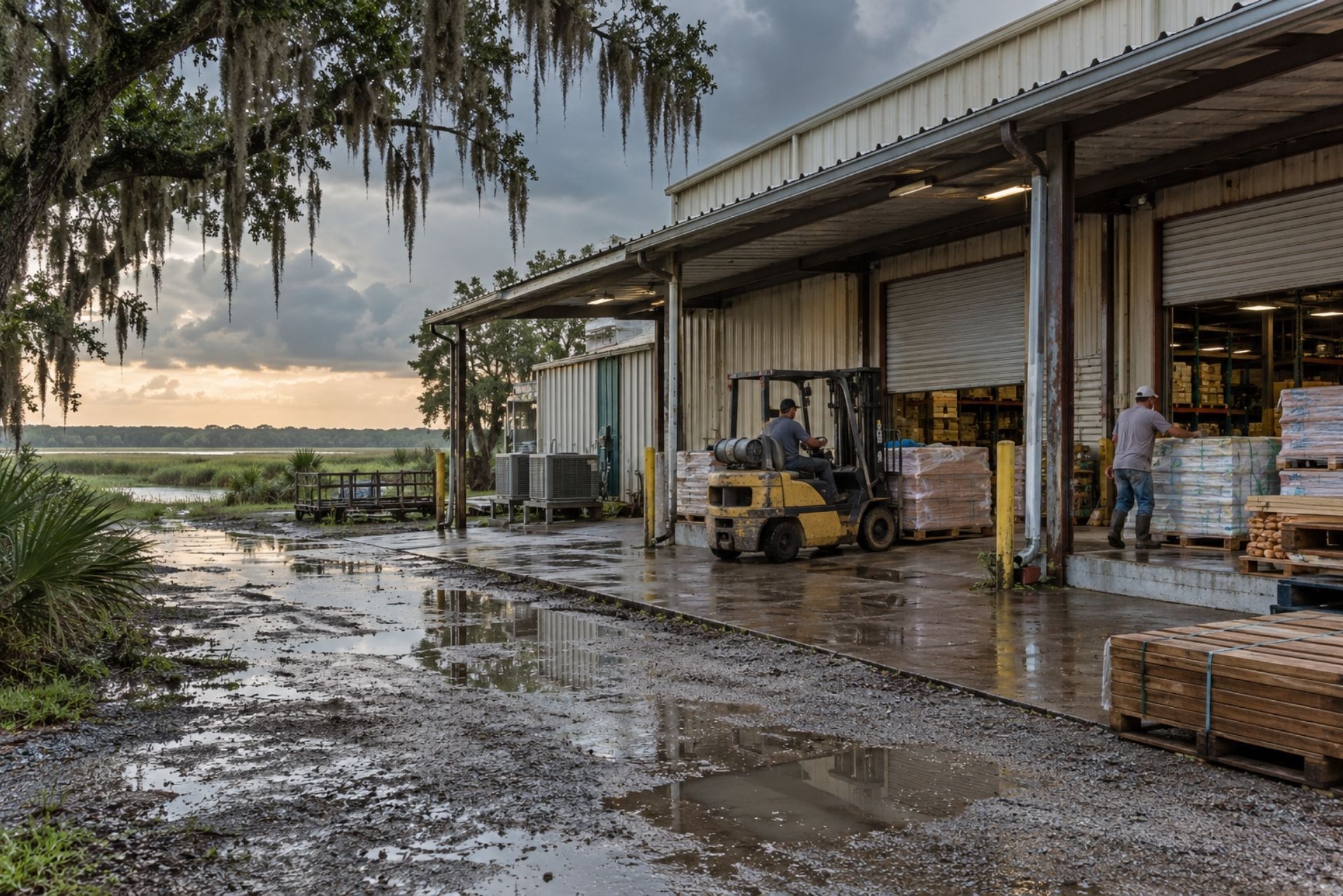
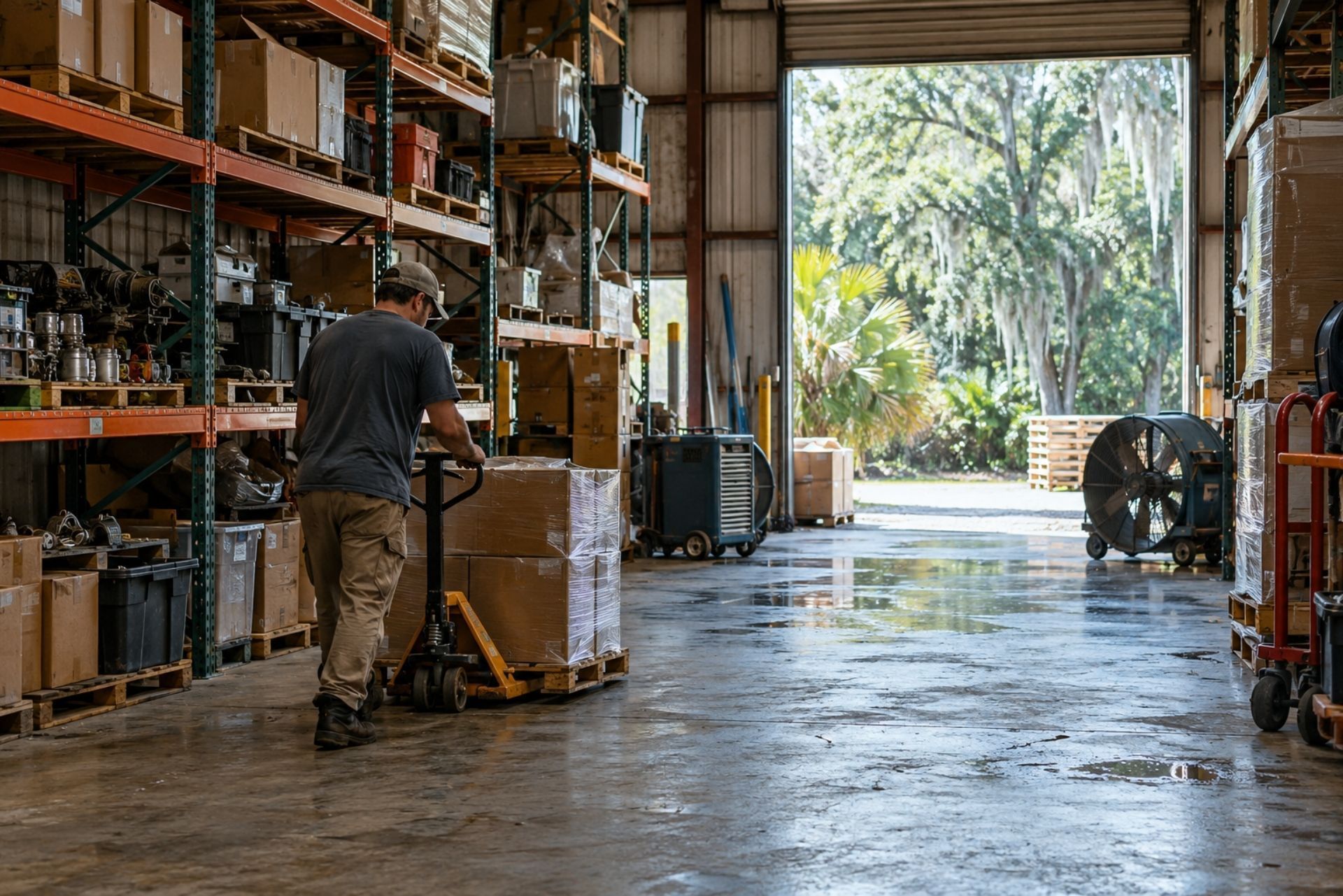
Picture a Slidell warehouse owner after a hurricane. The roof is gone, the inventory is soaked, and the claim check is a fraction of what she expected. The cause is rarely a single bad decision. It is usually three or four small policy details nobody explained at renewal, and each one quietly shrinks the payout. The good news for 2026 is that the market is showing signs of stabilization, with some carriers filing flat renewals or rate decreases after years of double-digit increases. That makes this a smart moment to review what you actually own before the next storm season tests it.
Understanding Louisiana Commercial Property Coverage
Commercial property insurance protects the physical assets your business depends on, including buildings, equipment, furniture, and inventory, from perils like fire, theft, and wind. In a coastal state like ours, the coverage itself is usually not the hard part. The fine print is harder: storm endorsements, deductibles, and how the property is valued. A policy can look complete on the declarations page and still leave you with a six-figure gap after a claim.
Buildings, Contents, and Business Income
Most policies split protection into three core pieces:
- Building: The structure itself, plus permanently attached fixtures. This may include signage, parking lot lighting, and fencing if they are listed or covered by endorsement.
- Contents (Business Personal Property): Equipment, inventory, computers, and furniture. Contents matter most for businesses whose expensive equipment sits close to the ground. A car wash is a good example: its high-value machinery is often at ground level, which makes it more exposed to wind-driven damage and flooding.
- Business Income: Replaces lost profits and pays continuing expenses like payroll and rent while you are shut down for repairs.
One common mistake is setting the business income limit too low. Rebuilding after a major Louisiana hurricane can take far longer than owners expect, because contractors and materials are stretched thin across the region.

On this page
Aubert Insurance Agency is a local, independent agency, licensed to serve individuals and businesses across Louisiana, Mississippi, Florida and Texas.
We serve clients from our offices in Covington and Slidell and throughout St. Tammany Parish — working with dozens of carriers and wholesale markets to help homeowners, drivers, contractors, restaurant owners, property investors, auto shops, professional practices and many other personal and commercial clients find coverage that fits.
Licensed in Louisiana #3661 · Mississippi #15039075 · Florida #W0772236 · Texas #2381820
Named Storm Deductibles and Wind Buybacks
Most Louisiana commercial policies carry two deductibles. One is a flat amount for everyday claims like a kitchen fire. The other is a separate, higher deductible for named storms, typically calculated as a percentage of your total insured value. That second number is the one that surprises people.
Here is the math. A 5% named storm deductible on a building and contents insured for $2 million means you absorb the first $100,000 of hurricane damage yourself. A $10,000 roof leak from a tropical storm may produce no payment at all.
State law does provide some relief. Under La. R.S. 22:1267.1, named storm deductibles for commercial policies must be applied annually rather than per storm, so a business hit twice in one season should not pay two full deductibles. That protection has limits, though. It does not apply to properties with a total insured value of $20 million or more. To claim the credit, insurers may also require detailed receipts and records of losses from the first storm. Keep those files somewhere other than the building that flooded.
A wind buyback is the other lever. For an additional premium, some carriers may let you replace the percentage deductible with a lower flat dollar amount. A buyback can make sense if a five or six-figure deductible would drain your operating cash. Ask for the price both ways and weigh it against your actual reserves.
The Risk of Coinsurance Penalties
Coinsurance trips up more business owners than almost any other clause. The policy requires you to insure your property for a set percentage of its true replacement value, usually 80% or 90%. If you carry less than that at the time of a loss, the carrier may reduce your claim payment proportionally, even on a partial loss.
Say your building would cost $1 million to rebuild and your policy has an 80% coinsurance clause, so you need at least $800,000 in coverage. You carry $600,000 because that was the figure from five years ago. A fire causes $200,000 in damage. You only met three-quarters of the requirement, so the carrier may pay three-quarters of the loss: $150,000, minus your deductible. That $50,000 shortfall comes out of your pocket.
Construction costs in St. Tammany Parish have climbed sharply over the past several years, so outdated values are common. A few habits help:
- Get a professional replacement cost estimate every few years, not just a guess based on purchase price.
- Ask whether your policy offers an agreed value endorsement, which may suspend coinsurance for the policy term.
- Update contents values after major equipment purchases.

Standard vs. Surplus Lines Comparison
Not every carrier plays by the same rules. Standard (admitted) carriers file their rates and forms with the Louisiana Department of Insurance. Surplus lines (non-admitted) carriers have more freedom to price and shape coverage for difficult risks. Neither is automatically better. They serve different situations.
| Factor | Standard (Admitted) | Surplus Lines (Non-Admitted) |
|---|---|---|
| Rate flexibility | Rates filed with the state; less room to adjust | Can price unusual or high-risk properties freely |
| Policy forms | Standardized, state-approved forms | Custom forms; wording varies by carrier |
| State guaranty fund | Typically protected if the carrier fails | Typically not protected |
| Appetite for coastal risk | Often limited or restricted | Usually more willing to write it |
| Older or unique buildings | May decline | Often a workable option |
| Placement | Through licensed agents | Through licensed surplus lines brokers |
The guaranty fund row deserves attention. Because surplus lines policies typically fall outside that safety net, the financial strength of the carrier matters even more.
When Coverage Moves to the Surplus Lines Market
Standard carriers pull back for a few predictable reasons. They may have too much hurricane exposure in one area, they may dislike older roofs or wiring, or your building may simply fall outside their guidelines. A 1950s commercial building near the lake, a restaurant with a wood-frame structure, or a property with a prior storm claim are all common candidates for surplus lines placement.
When that happens, the surplus lines market provides essential capacity. Without it, many Louisiana businesses would have no property coverage at all, and lenders typically require proof of coverage to keep a mortgage in good standing.
The catch is that surplus lines policies may read very differently from what you are used to. Watch for these details:
- Higher named storm deductibles or wind excluded entirely and written separately
- Exclusions for older roof surfaces or cosmetic damage
- Fully earned or minimum earned premiums if you cancel mid-term
- Sublimits on business income or specific perils
With the 2026 market showing some stabilization, a business pushed into surplus lines a few years ago may be worth re-marketing. Some standard carriers have returned to writing risks they declined earlier. Reviewing a quote side by side, form against form, is how you find out.
Common Questions About Louisiana Property Insurance
What is a named storm deductible? It is a separate deductible that applies when a named tropical storm or hurricane causes the damage. It is usually a percentage of your total insured value rather than a flat dollar amount.
How does business income coverage work? If a covered loss forces you to close, it may replace your lost net income and pay ongoing expenses like payroll and rent during the restoration period. Most policies include a short waiting period before coverage begins.
Does commercial property insurance cover flooding? Typically no. Flood usually requires a separate policy, which matters a great deal in St. Tammany Parish, where wind and water damage often arrive together.
Is a surplus lines policy less reliable? Not necessarily, but it typically lacks state guaranty fund protection and may have more restrictive terms. Carrier financial strength and policy wording deserve a close look.
Can I get two named storm deductibles in one year? For most commercial policies under $20 million in total insured value, Louisiana law requires the deductible to apply annually. You may need records from the first storm to receive credit.
How often should I update my property values? At least every renewal, with a professional appraisal every few years. That keeps you clear of coinsurance penalties as building costs rise.
Making the Right Choice for Your Business
Every piece covered here, from building values to storm deductibles to surplus lines wording, changes what your claim check looks like after a loss. The businesses that recover fastest usually made a few decisions before the storm: they knew their deductible in real dollars, insured to current replacement cost, and understood which kind of carrier stood behind their policy.
Aubert Insurance Agency has been insuring businesses in Covington and Slidell since 1910. That history includes many hurricane seasons and the market swings that followed each one. As an independent agency, Aubert compares options from multiple carriers, both admitted and surplus lines, and takes the time to explain how each policy actually works, including the exclusions most people miss. That experience helps business owners work through markets that can feel confusing and find coverage that fits their property and their budget.
Hurricane season will come again, and your policy should be ready before it does. Start a Quote today and see how your current coverage compares.

About the Author
Kyle Beerbohm
President
We've been independent since 1910, and four generations of local ownership have kept us that way. We're one of the oldest agencies in St. Tammany Parish and the fourth oldest business in the City of Covington. I treat that history as a responsibility rather than a plaque on the wall. My job is to keep us answering to the families and business owners who walk through our doors, and to keep serving this parish for another hundred years.
Louisiana Insurance Questions, Answered
Questions clients ask us
Short, plain answers to what people ask before they call. Anything else, phone the office and ask.
What does an independent insurance agency do?
We represent you, not one insurance company. We gather your information once, then compare coverage and price across the carriers we hold contracts with. You get choices, and one agent handles the paperwork.
Which types of insurance does Aubert offer?
We write 13 personal lines, including home, auto, flood, boat, and life. We write 15 commercial lines, including business owners policies, general liability, workers compensation, and commercial property.
Do I need flood insurance in St. Tammany Parish?
Your homeowners policy excludes flood, and much of the Northshore has flooded outside mapped high-risk zones. Lenders require it inside those zones. We check your flood zone and quote NFIP and private options.
Which states are you licensed in?
We hold licenses in Louisiana, Mississippi, Florida, and Texas. License numbers appear in the footer of every page on this site.
How do you find me a competitive rate?
We take your details once and market them to the carriers and wholesale brokers that fit your risk. We compare the offers, explain the differences in coverage, and recommend the strongest fit.
How do I file a claim or request a certificate?
Call the office or use the Client Center on this site. We report the claim, follow the adjuster, and send certificates of insurance to whoever needs them.

Personal Insurance in Louisiana
Coverage for your home, your vehicles, and your family
Thirteen personal lines sit under one roof. Start with the coverage you need most, and we price it across our markets.
Home Insurance
Protect your house, its contents, and your liability with a policy priced across many Louisiana homeowners carriers.
Car Insurance
Cover every driver and vehicle in your household, and compare limits and deductibles side by side before you buy.
Flood Insurance
Standard home policies exclude flood. We write NFIP and private flood coverage for St. Tammany Parish properties.
Umbrella Insurance
Add a layer of liability above your home and auto limits, so one serious claim never reaches your savings.
Boat Insurance
Cover your hull, motor, trailer, and liability on the lake, the river, and the Gulf, wherever you launch.
Life Insurance
Replace your income for the people who depend on it, with term and permanent options we quote across carriers.
Business Insurance in Louisiana
Coverage for the business you built
Fifteen commercial lines, written for the payrolls, fleets, and buildings that Louisiana carriers ask hard questions about.
Contractors Insurance
General contractors, trade contractors and specialty crews. We cover the liability, tools, vehicles and workers your jobs depend on.
Business Owners (BOP)
One policy bundling property and liability for a small business. Straightforward cover for the building, the contents and the risk.
Professional Liability
Protection when your advice or professional work is challenged. A staple of any commercial package for a service business.
Commercial Property
Landlords and commercial real estate investors. We insure the building, the habitation risk and the income it produces.
Workers Compensation
Protecting your employees protects your business. Medical costs and lost wages covered when someone is hurt on the job.
Commercial Auto
Trucks, vans and fleets. We shop a wide range of commercial auto markets to match your vehicles and your drivers.
Business Insurance by Industry
We protect hundreds of businesses of all shapes and sizes
We know the exposures, the contract language, and the markets that write these trades on the Northshore.

General Contractors
Builders risk, general liability, and comp for homebuilders and remodelers working across St. Tammany Parish.

Plumber Insurance
Plumbers, electricians, roofers, and painters get liability, tools, and auto coverage that satisfies job requirements.

Restaurants
Property, liquor liability, spoilage, and comp for kitchens, bars, and cafés, including Louisiana association programs.
5-Star Rated by St. Tammany Clients
What Our Clients Say
Neighbours, business owners, and families across Covington and Slidell tell the story better than we can.


Insurance Tips & Local News
Insurance tips for Louisiana homes and businesses
Practical reading on flood zones, hurricane deductibles, and the coverage questions local business owners raise.
Request Your Free Insurance Quote
Tell us what you need covered
Send the form or call the office. A licensed agent in Covington or Slidell answers you directly.
614 E. Boston St., Covington, LA 70433. (985) 892-3101
58418 Tyler Drive, Slidell, LA 70461 · (985) 641-0520
Call
614 E. Boston St., Covington, LA 70433
58418 Tyler Drive, Slidell, LA 70461













